Let's Talk Development
The Consortium for Development Policy Research (CDPR) and the International Growth Centre (IGC) present Let’s Talk Development, a podcast about Pakistan’s key economic and development challenges. Experts join to explore critical development issues and trends in Pakistan. New episodes are released every two weeks. The views expressed are those of the speakers and do not necessarily reflect those of CDPR or its affiliates.
Episodes
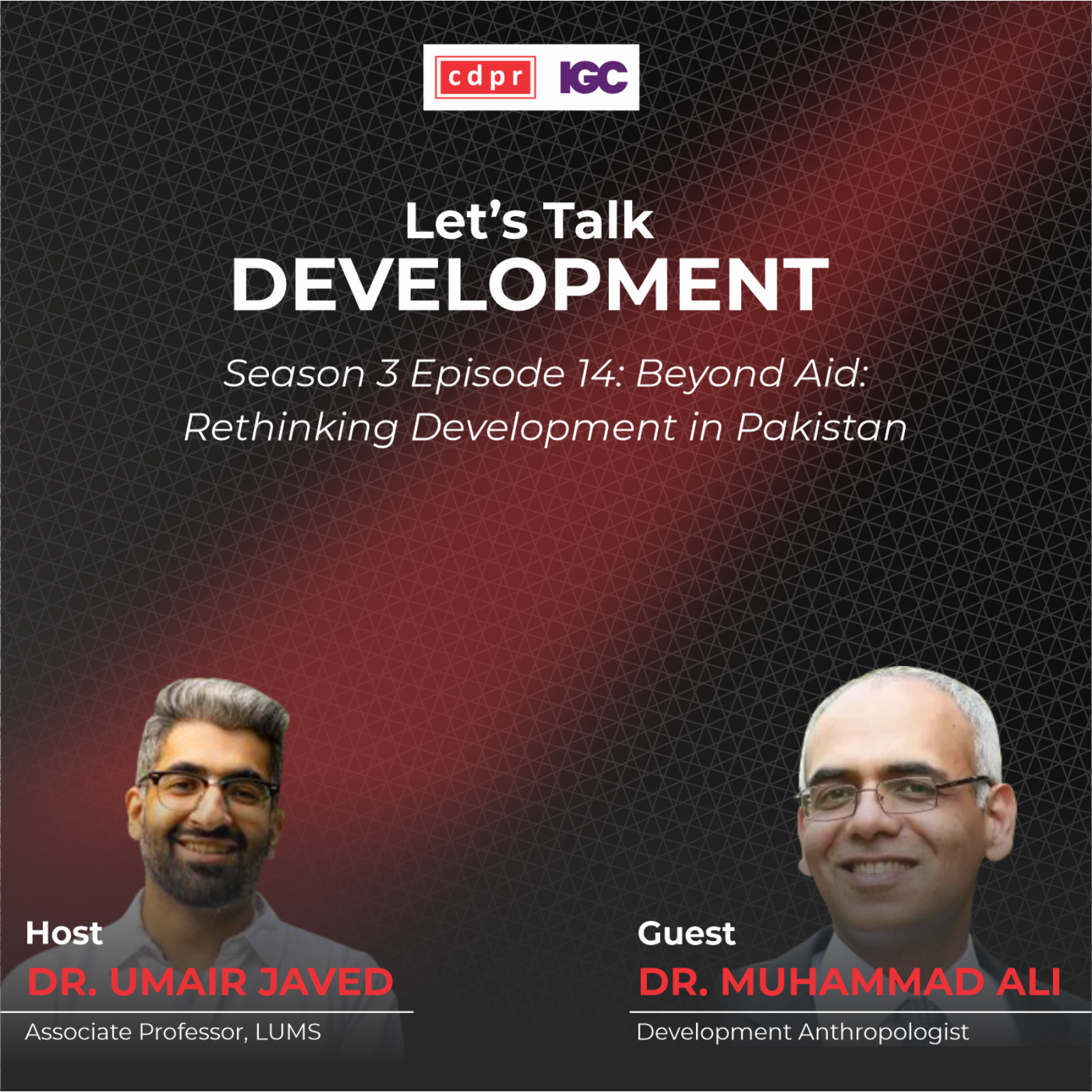
Beyond Aid: Rethinking Development in Pakistan
As the era of abundant foreign aid comes to an end, developing countries are being forced to rethink how development is financed and delivered. In this episode of Let's Talk Development, Dr. Umair Javed sits down with development anthropologist Dr. Muhammad Ali to unpack the changing global aid architecture, the politics behind shrinking donor support, and what these shifts mean for Pakistan. Toge
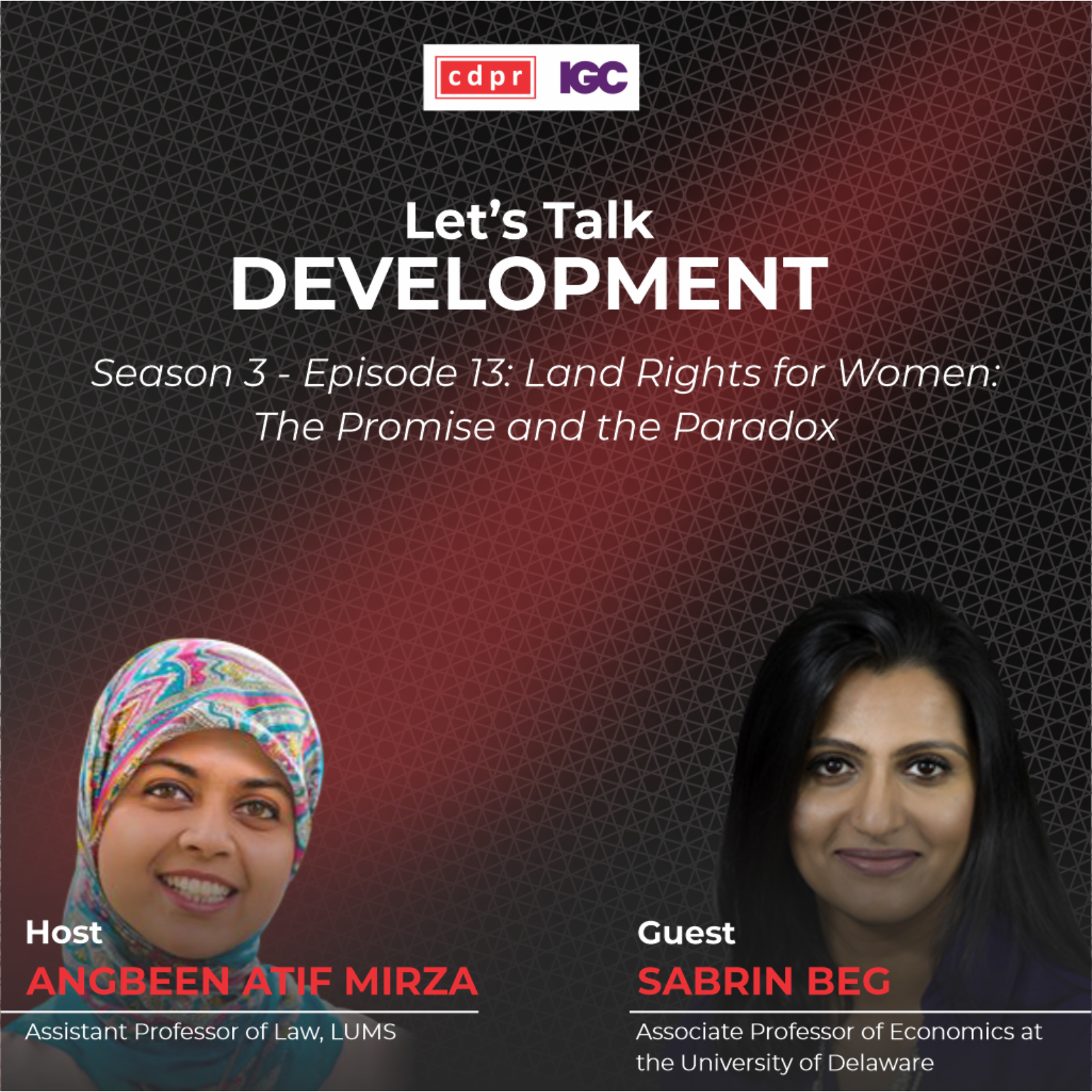
Land Rights for Women: The Promise and the Paradox
Drawing on IGC’s new research, Dr. Sabrin Baig discusses how digitising land records in Punjab increased women's access to inherited land, while also reshaping marriage decisions, education investments, and family dynamics. This conversation in our upcoming episode of Let’s Talk Development explores the complex relationship between legal reform, social norms, and women's economic empowerment.
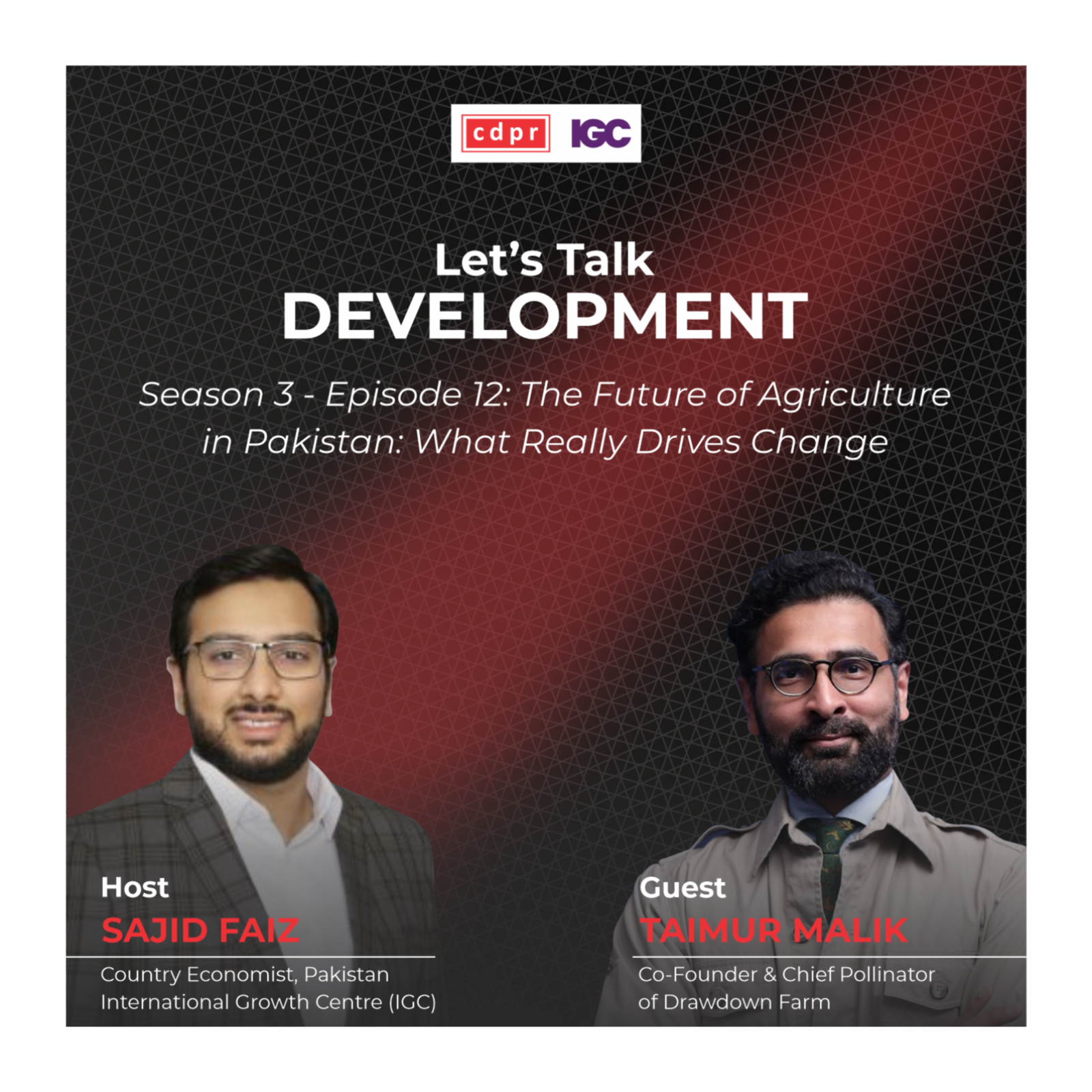
The Future of Agriculture in Pakistan: What Really Drives Change
This episode discusses how Climate change is impacting Pakistan's agricultural and what steps can Pakistan take to navigate this challenge.
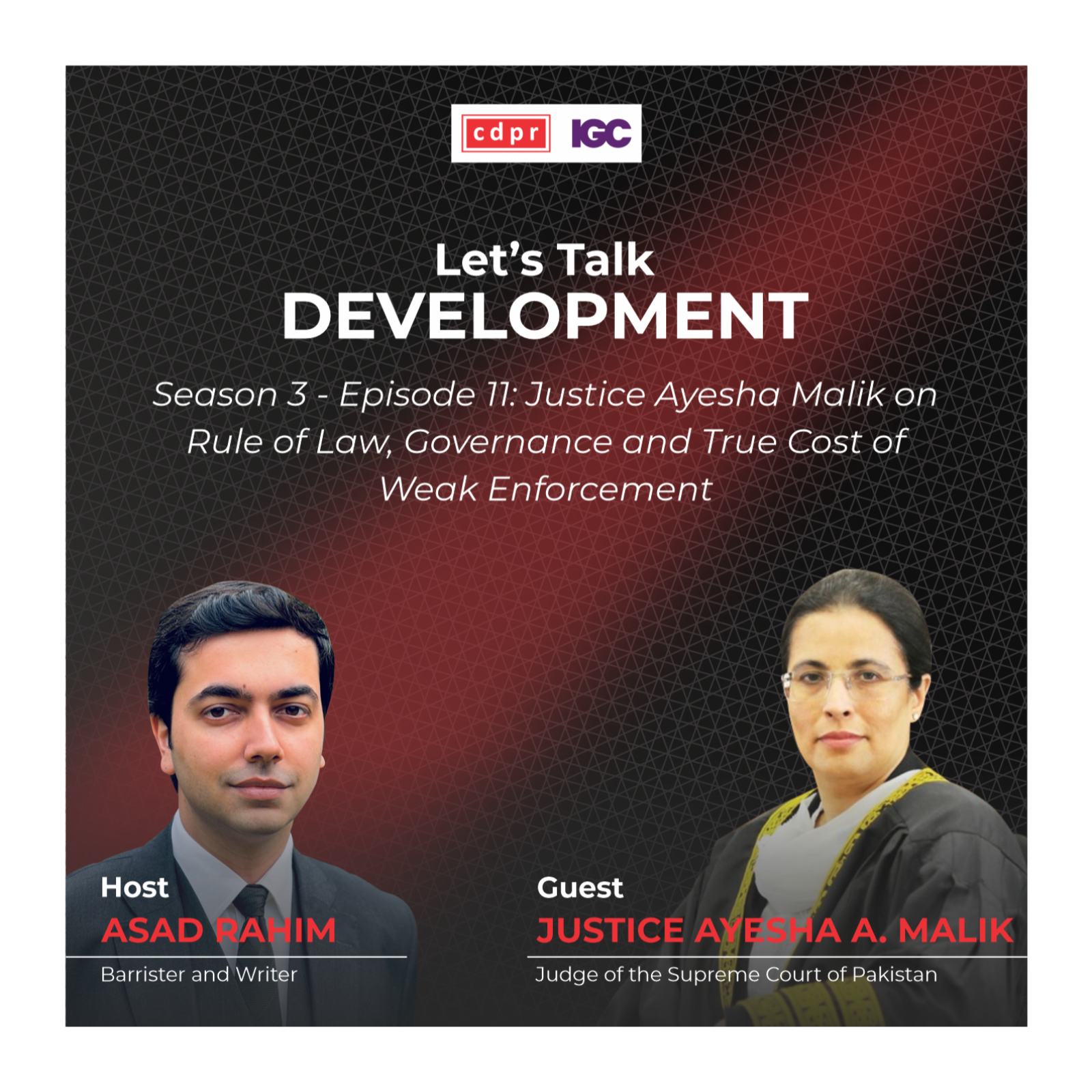
Justice Ayesha Malik on Rule of Law, Governance and True Cost of Weak Enforcement
Drawing on IGC’s new research, Dr. Sabrin Beg (Associate Professor of Economics at the University of Delaware) and Ms. Angbeen Mirza (Assistant Professor of Law at LUMS) discuss how digitising land records in Punjab increased women's access to inherited land while also reshaping marriage decisions, education investments, and family dynamics. This conversation also explores the complex relationship
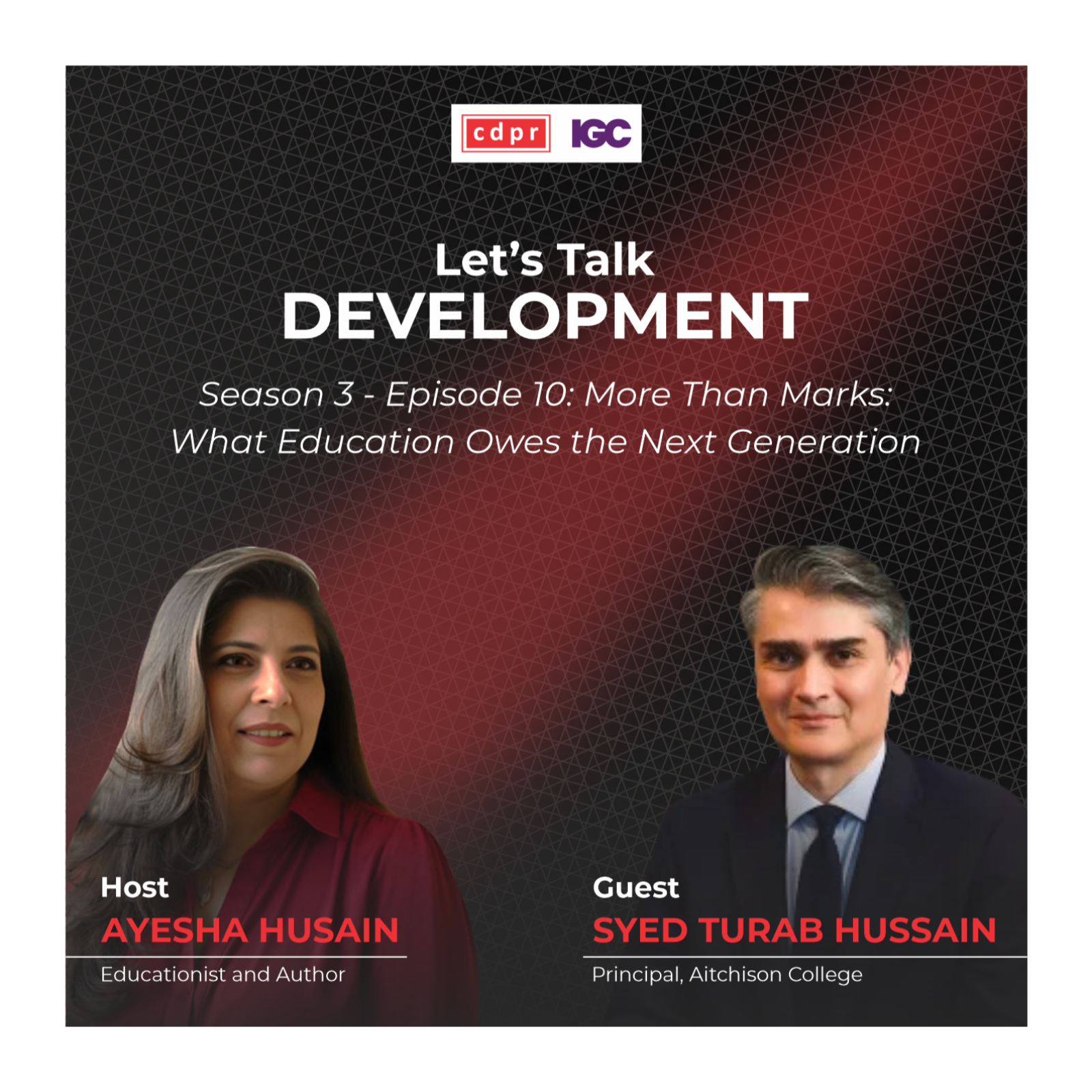
More Than Marks: What Education Owes the Next Generation
In this episode of Let’s Talk Development, Ayesha Hussain (Educationist and Author) sits down with Dr. Syed Turab Hussain (Economist, Educator and Principal of Aitchison College) to discuss one of the most important questions of our time: is education in Pakistan keeping up with the fast-evolving world?From the overemphasis on grades in classrooms across Pakistan to the quiet erosion of deep think
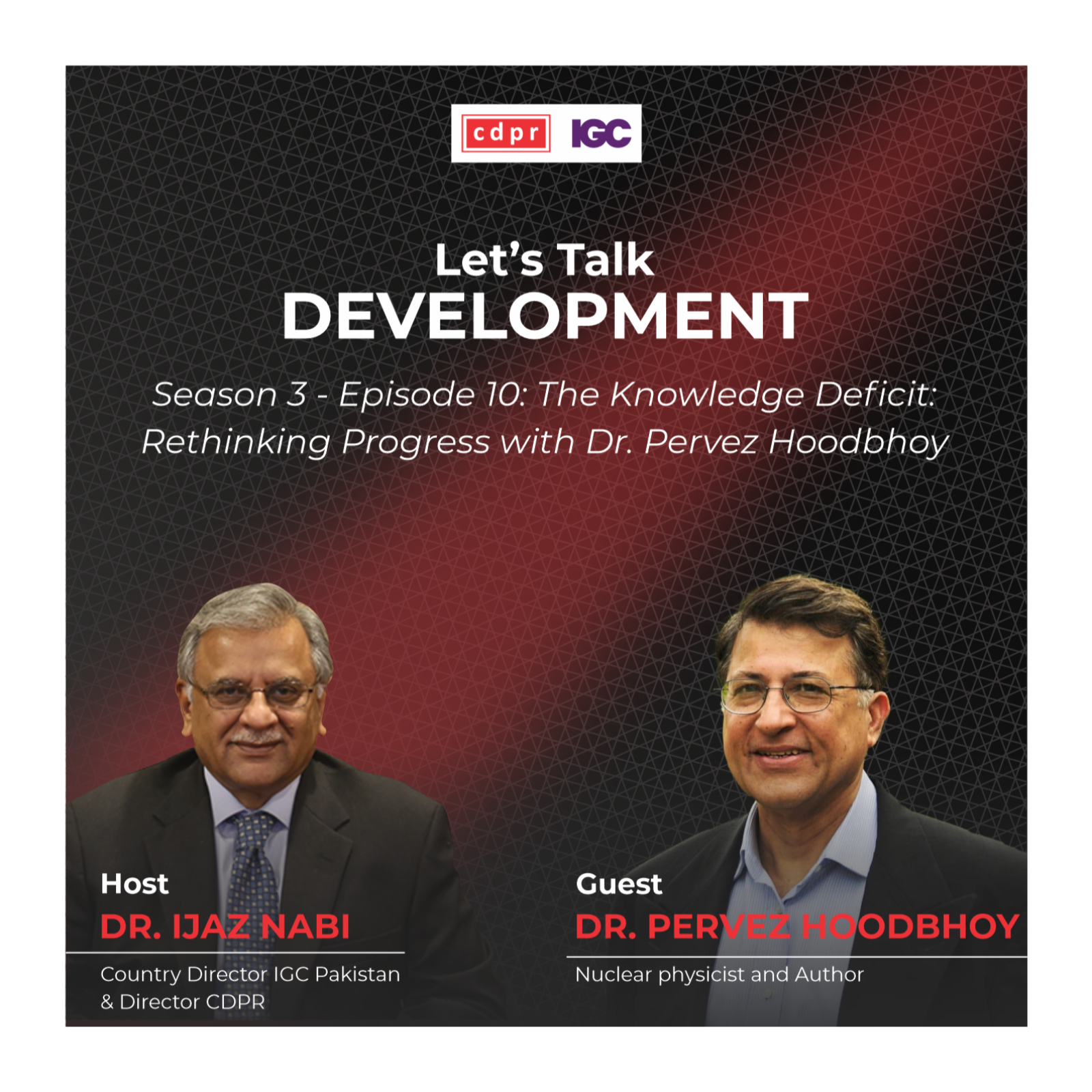
The Knowledge Deficit: Rethinking Progress with Dr. Pervez Hoodbhoy
In this episode Dr. Pervez Hoodbhoy joins Dr. Ijaz Nabi to explore the roots of Pakistan’s current economic and social challenges. Moving beyond fiscal policy, Dr. Pervez argues that the real barriers to progress lie in our culture, education system and collective mindset as a society. He draws comparisons with India, Bangladesh and China to highlight how societies that value science, hard work an
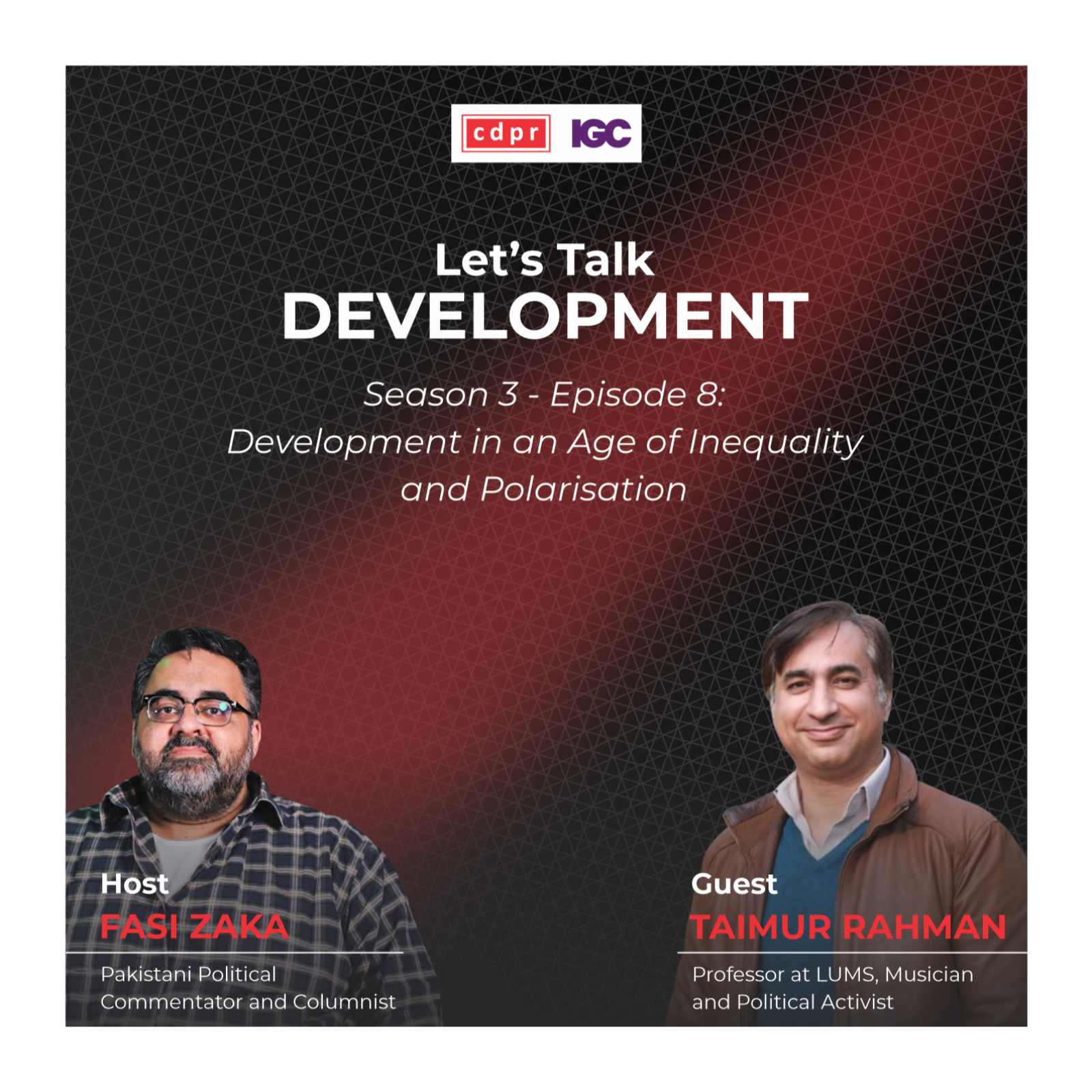
Development in an Age of Inequality and Polarisation
In this episode, Dr. Taimur Rahman joins Fasi Zaka for a wide ranging conversation on growth, inequality and inclusion in Pakistan. The discussion assesses the dominant development models, elite capture and the limits of neoliberalism. The conversation also reflects on the political economy of social media examining how digital platforms shape narratives, intensify polarization and influence who g
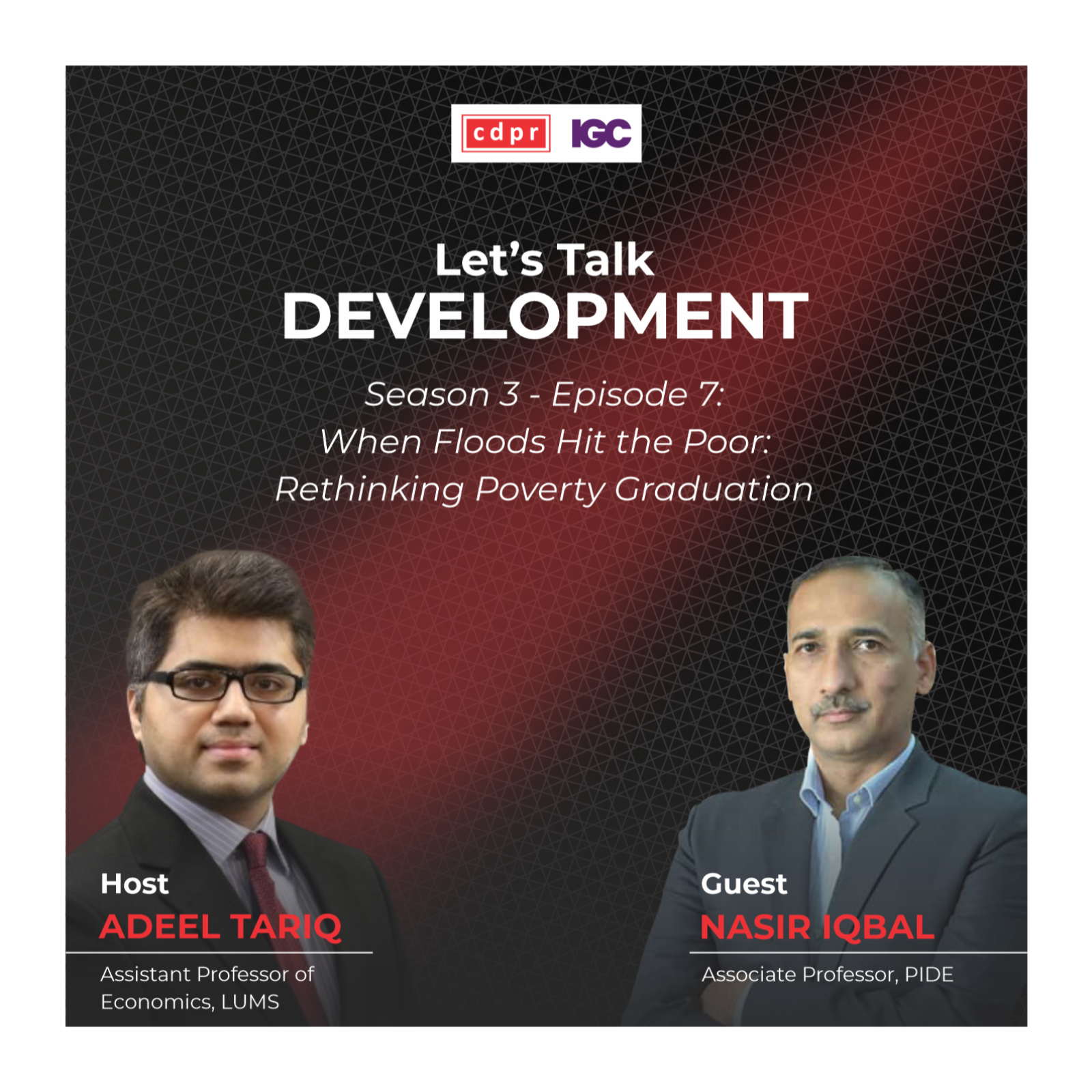
When Floods Hit the Poor: Rethinking Poverty Graduation
When climate shocks hit the poorest, what happens to the programmes meant to lift them out of poverty? In this episode, Dr. Nasir and Dr. Adeel explore the National Poverty Graduation Programme (NPGP) - a flagship initiative aimed at moving households beyond short-term cash transfers toward sustainable livelihoods through asset transfers and skills. Drawing on his fieldwork in South Punjab, Dr. Na
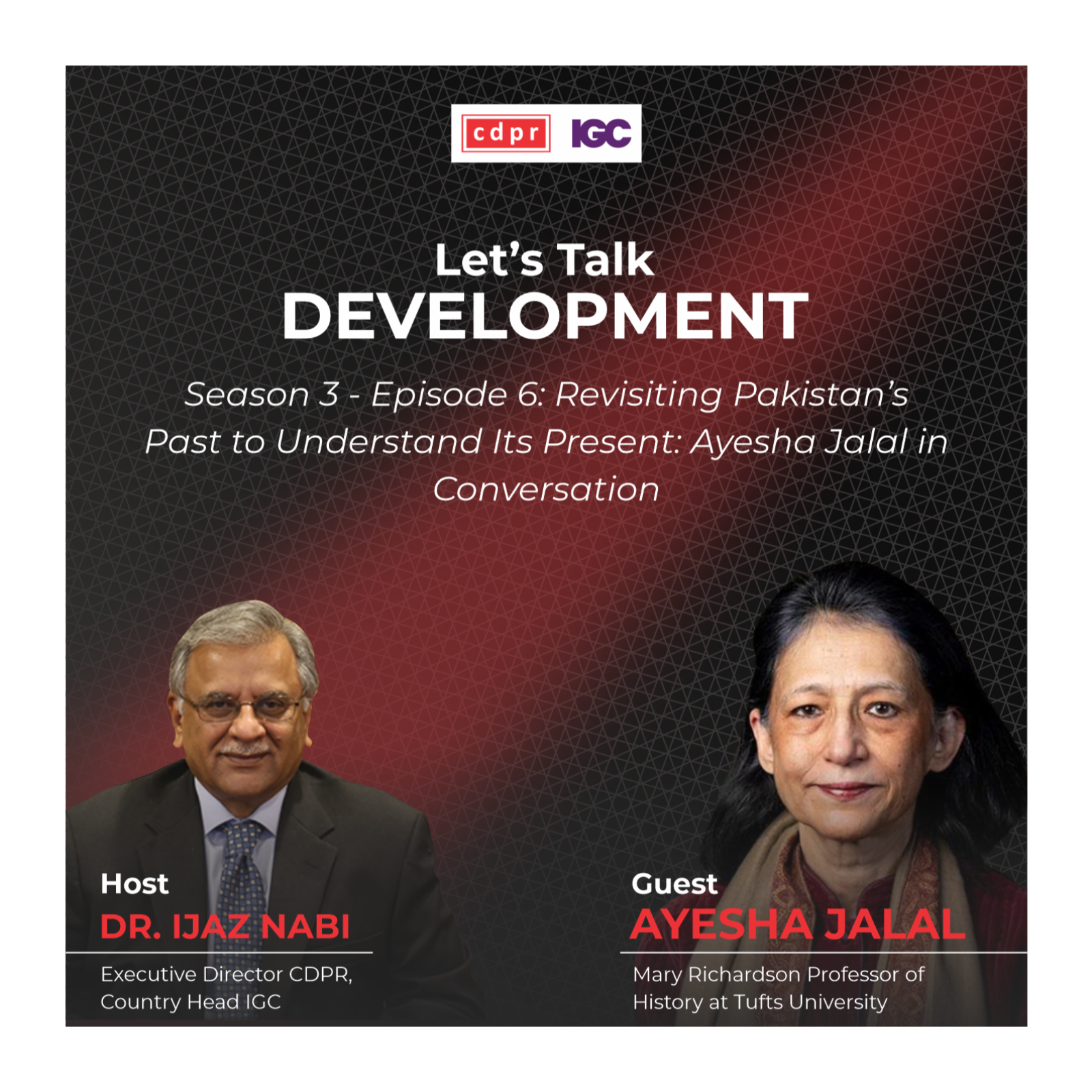
Revisiting Pakistan’s Past to Understand Its Present: Ayesha Jalal in Conversation
What can history teach us about Pakistan’s current economic dilemmas and its future? In this episode, Ayesha Jalal joins Ijaz Nabi to reflect on the country’s enduring political and economic challenges.The conversation touches on Jinnah's constitutional vision, the fractured nature of Pakistan’s federal politics, the recurring cycles of aid inflows during military regimes and the missed opportunit
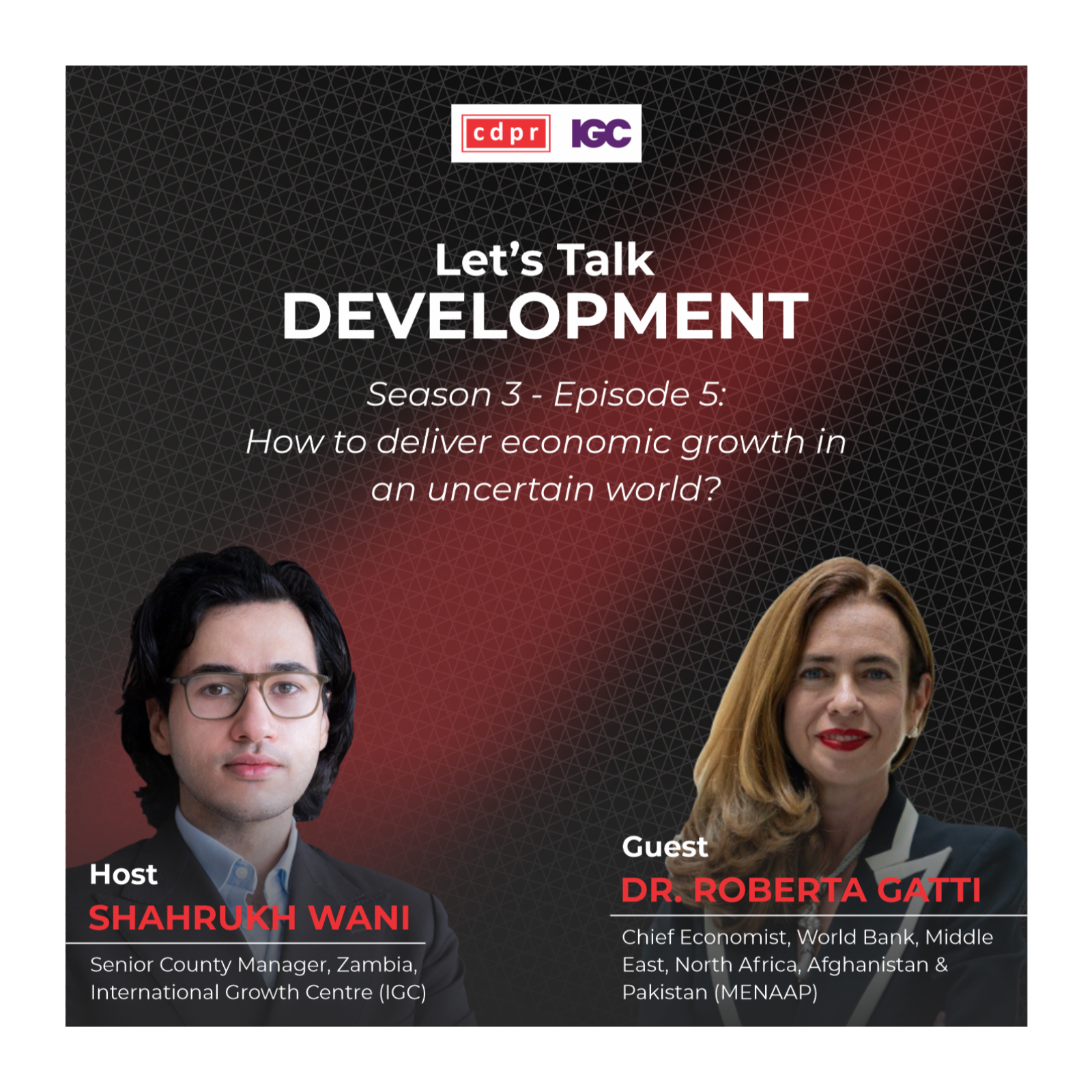
How to deliver economic growth in an uncertain world?
Global growth is slowing, debt burdens are rising and climate pressures are intensifying, what does this mean for the future of economies? In this episode, Dr. Roberta Gatti from World Bank and Shahrukh Wani from IGC explore some of the most pressing questions shaping growth today: the changing role of industrial policy, how governments can promote stronger business environments and why data and e
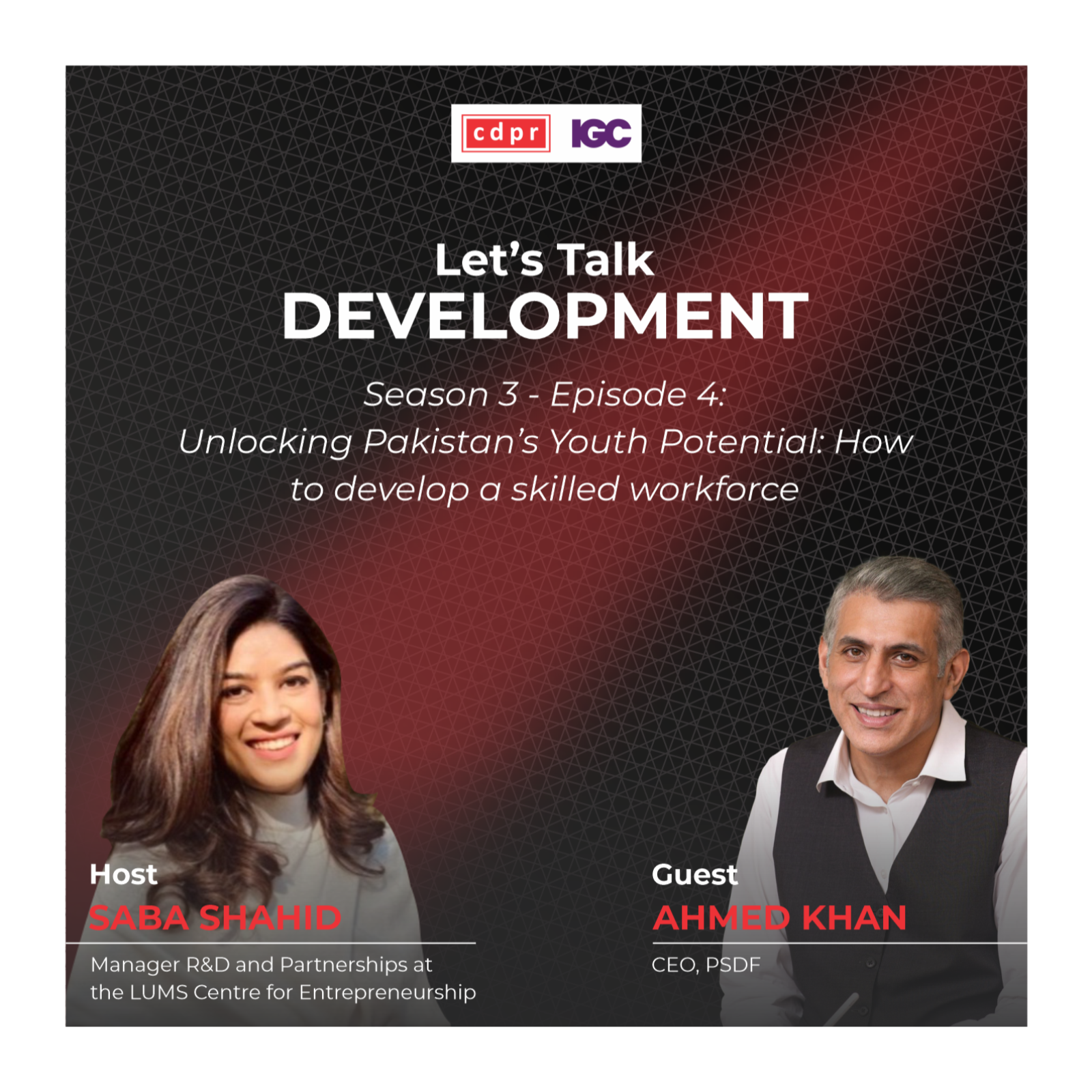
Unlocking Pakistan’s Youth Potential: How to develop a skilled workforce
64% of Pakistan’s population is under the age of 30. This “youth bulge” holds immense promise if equipped with the right skills. In this episode, Ahmed Khan and Saba Shahid discuss how Pakistan can turn its growing youth population into a productive economic force. They discuss how PSDF is addressing this challenge through industry aligned, digitally delivered and outcome focused training programs
Cities on the Brink: Climate Risks and Urban Realities in Pakistan
Pakistan is facing a dual burden of rapid urbanisation and increasing climate vulnerability, with low-income and marginalised communities bearing the greatest impact. In this episode, Hina Shaikh and Nausheen Anwar discuss the lived realities and politics of urban transformation in Pakistan’s cities. They unpack the complex relationship between urban development and climate challenges, examining h
Mapping Karachi: Spatial Vulnerability and Climate Change
The impact of climate change in cities is highly dependent on spatial factors. Within a sprawling and metropolitan city like Karachi, examining its topographic and geographic spatiality in terms of its unique location by sea, desert and forest is key in determining the negative effects of climate change on its twenty million residents. In this episode, Maha Qasim and Yasir Hussain dive into the hi
Gateway to Growth: Export Policy as a Catalyst for Pakistan’s Economy
Pakistan’s economy is known for its volatile ‘boom-and-bust’ framework. When it experiences bouts of growth and stability, trade and industrialisation imbalances force it two steps backwards, trapping it in a cycle that relies on imports to sustain Pakistan in an increasingly polarising and unpredictable global context. In this episode, Usman Khan and Hamed Yaqoob Sheikh talk about trade solutions
Sri Lanka's Economic Recovery: Lessons for Pakistan
Sri Lanka suffered a great economic crisis 2019 onwards, however in the late 2024, it's economy demonstrated significant signs of recovery. In this episode, Dr. Shantayanan Devarajan and Dr. Ijaz Nabi talk about Sri Lanka's economic crisis, comparing it to Pakistan's situation, and exploring potential solutions. They discussed the stabilization measures, structural reforms, debt restructuring, and
The Unbalanced Scale: Gender, Work and Productivity
Pakistan has one of the lowest female labour force participation rates in the South Asian region (22%), compared to 35% in Bangladesh and 37% in India. This means half of Pakistan’s population remains largely untapped in formal employment, as women are predominantly involved in informal or home-based work. In this episode, Dr. Farah Said and Dr. Uzma Afzal talk about the gender dynamics affecting
From Crisis to Resilience: Rethinking Water Management in Pakistan
In Pakistan, poor water management coupled with climate change has severely intensified the frequency and intensity of floods. The unpredictable rainfall patterns and inadequate infrastructure has further worsened Pakistan’s water calamity. In this episode, Dr. Azeem Ali Shah and Amen Jalal discuss water management issues prevailing in the country, recurring floods as a result of the climate crisi
The Climate-Energy Nexus: A critical review
For a country like Pakistan, it has become increasingly critical to focus on the climate-energy nexus as it grapples with climate vulnerability and escalating energy insecurity. Navigating this intersection presents formidable challenges as well as foreseeable opportunities. In this episode, Dr. Fatima Khushnud and Numair Liaqat explore the climate-energy nexus and examine its implications for th
Enveloped in Haze - Pakistan’s Air Quality & Health Challenges
Every year as summer descends, Lahore observes a drastic change in air quality. The PM2.5 concentration in Lahore is currently 53.2 times greater than the WHO required level of air quality. Hence, air pollution remains a critical issue with serious health consequences specifically in Lahore. However, there is an overlap between concerns regarding climate change as a contributor to global warming a
Greening Pakistan’s Energy Sector
Pakistan is one of the most impacted countries by climate change, consistently ranking among the top ten countries on the vulnerability scale. Yet it relies heavily on fossil fuels for its energy consumption, which globally contributes to about 75% of the total GHG emissions. Hence, it has become essential to switch to renewable energy. In this episode, Dr. Nauman Ahmad Zaffar and Amna Shahab expl
Climate Action through Climate Finance
Climate finance is a multifaceted concept, referring to finance activities that are aimed towards mitigating and adapting to the impacts of climate change. As per the Nationally Determined Contributions, Pakistan aims to reduce its greenhouse gas emissions to 50% by the year 2030, which calls for about USD 151 billion of investment just for energy sector mitigation by 2040, this is where climate f

Under the lens: Renewable Energy
As per the Nationally Determined Contributors (NDC), Pakistan aims to reduce its carbon emissions to 50% by 2030, increasing the importance of the transition towards renewable energy. In this podcast, Rizwan Faiz and Waqas Moosa talk about the current state and trends of renewable energy in Pakistan and the challenges associated with it. They discuss the possible future of renewables, the industry
Evolution of Digital Transformation in Tax Administration
Post the COVID-19 economic landscape, global trends on Tax Policy Reforms emphasize heavily on increasing reliance on IT solutions in tax authorities worldwide. Digitalization and digital transformation facilitate the remote functioning of tax administration, enhancing efficiency, speeding up the processes, minimizing errors thereby reducing administrative and compliance costs. Mansoor Sultan and

Tale of Two Countries: Pakistan & Bangladesh
In 1972, at the time of its formation Bangladesh had to start from virtually ground zero, with little to no resources and labour power at its disposal. However, it has now overtaken Pakistan’s growth levels on several indicators. Dr. Sadiq Ahmed and Dr. Ijaz Nabi talk about the development journey of Bangladesh and how it has come to become a success story by highlighting the big turning points an
CDPR X Engro Fertilizers: Sustainability and Food Security
Encouraging farmers to use fertilizers in a sustainable manner is integral for preserving food security. Mr. Atif Mohammed Ali and Ms. Amina Bajwa talk about how the fertilizer industry can transition towards a more sustainable model without the support of government subsidies. They discuss how to boost the productivity of small farmers in Pakistan and how to enhance research and development withi
The Big Picture: Navigating the Developing World
The leading models for development and how it progresses in a country differ greatly because of a country’s resources and the societal differences. Dr. Stefan Dercon and Dr. Ali Hasanain talk about the big picture in terms of the world economy, global development and growth. They dive deep into the discussion of global development in the context of developing countries, elite bargains and choosing
Afghan's Forced Exodus: Justified or Unwarranted
The growing tension between Afghanistan and Pakistan in light of the latest events of the expulsion of Afghan refugees from Pakistan has become of imminent concern to the country. Dr. Rasul Bakhsh Rais and Asad Rahim Khan talk about the importance of protecting the rights of Afghan refugees in the country who have been residing here for several years and explore the causes behind the changes in po
Responding to Pakistan's Climate Crisis
Despite contributing to only about 0.9% of the global greenhouse gas emissions, Pakistan remains high amongst the list of countries that are most vulnerable to climate change. Dr. Faraz Hayat, Tim Dobermann and Dr. Sugandha Srivastav discuss climate change in Pakistan in light of the ongoing COP28 negotiations where they examine the pace of progress towards reducing emissions globally. Focusing on
Pakistan's Foreign Policy in Review
Pakistan’s major priority regarding its foreign policy over the years has been to increase Pakistan’s engagement in the region in a way that makes the region more cohesive and more economically integrated. With Pakistan’s geographical location posing a challenge, navigating through its foreign policy has always been a major concern for successive governments. In this podcast, Ms. Hina Rabbani Khar
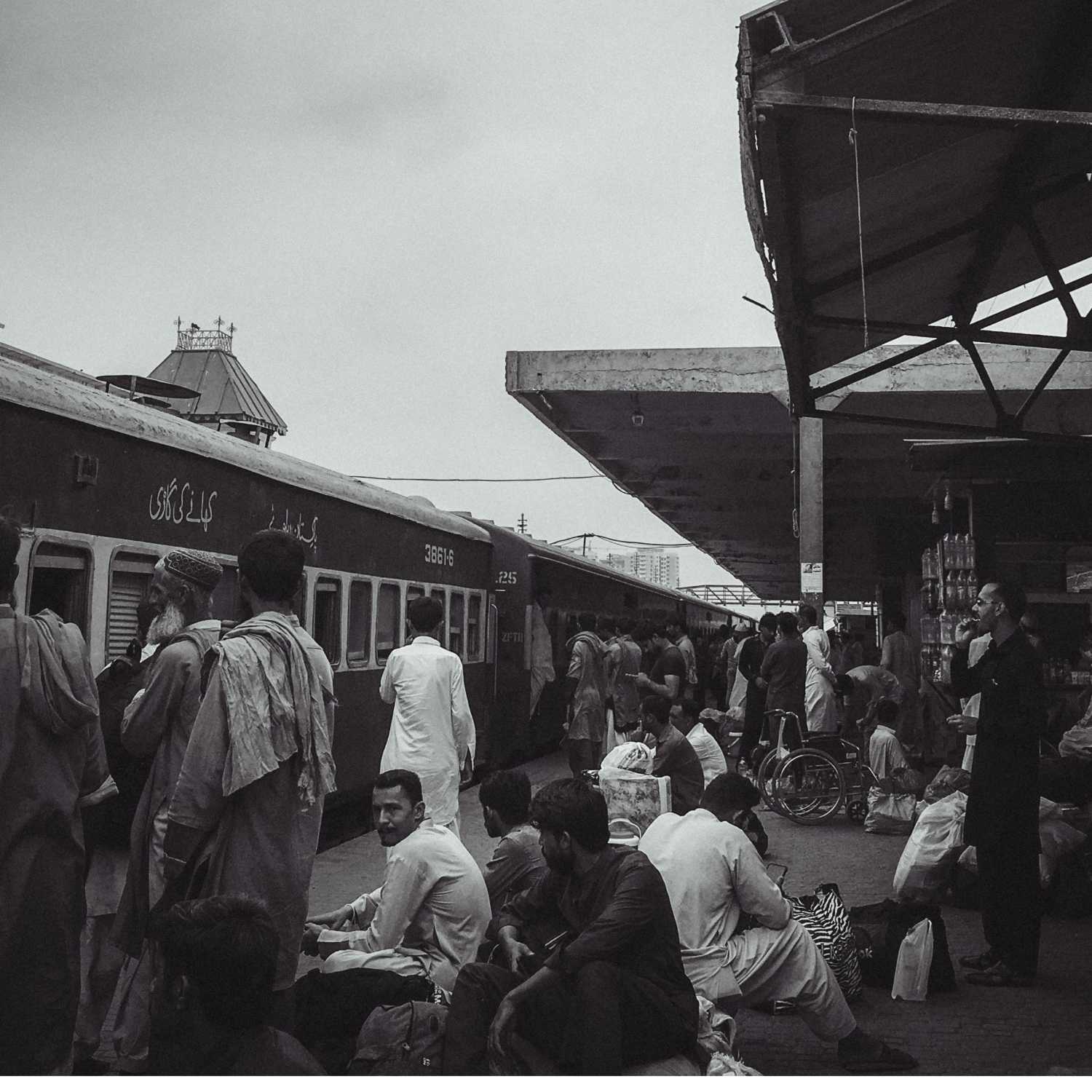
Exploring the Unmet Need for Family Planning in Pakistan
Currently, one of the biggest challenges that Pakistan is facing is the ever-increasing population growth and lack of family planning. 40% of Pakistan’s area is underserved when it comes to family planning programmes and according to the latest population census, Pakistan’s current population amounts to 240 million people, which makes it the fifth most populous country in the world. Nazish Afraz a
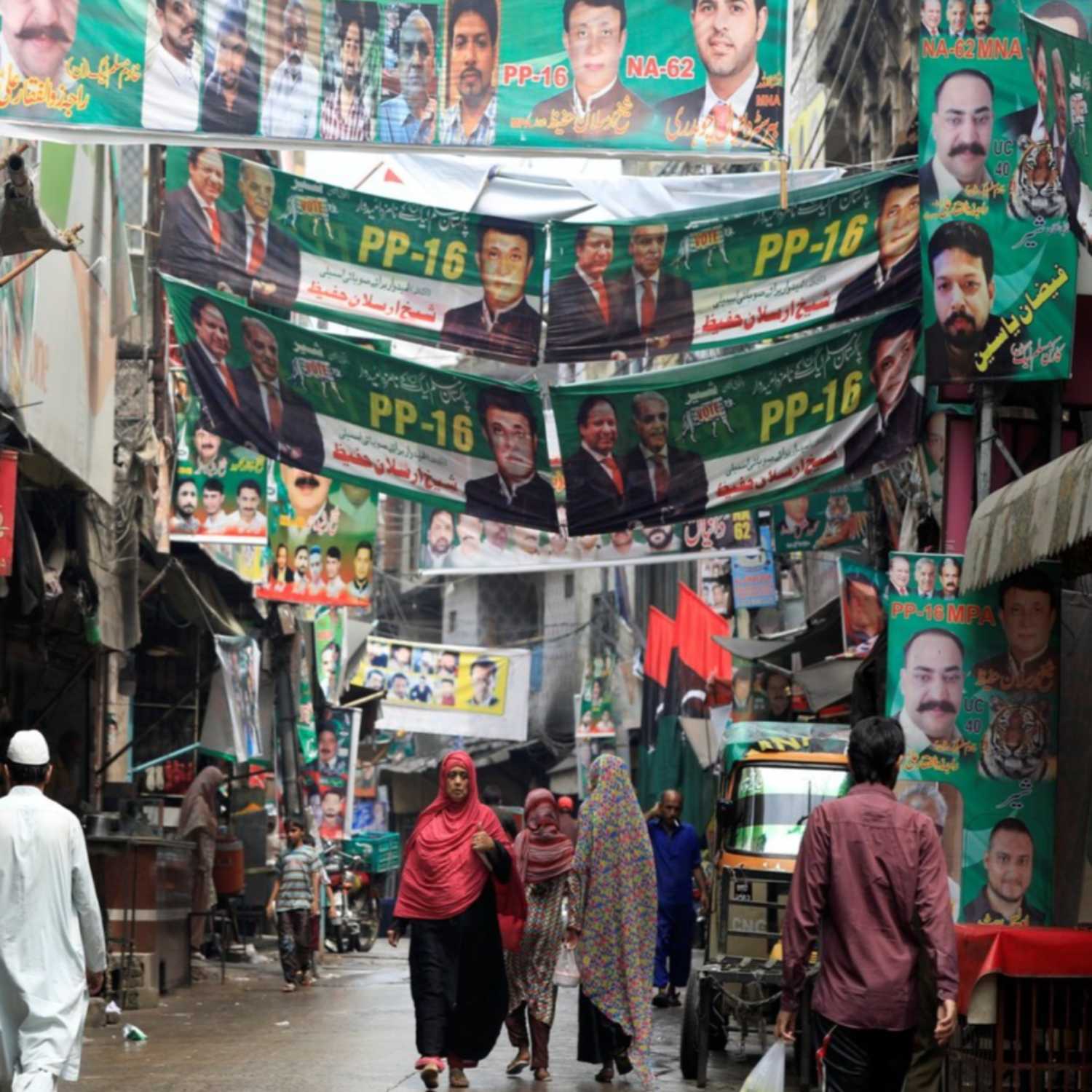
How Much Say Do Voters Have Over Election Outcomes?
In Pakistan, election decisions can be dependent on either the party’s label or the party’s ideology. Currently, Pakistan’s political parties are facing a number of constraints in trying to influence the outcomes of voters’ choice during election time. Dr. Niloufer Siddiqui and Dr. Asad Liaqat discuss these constraints and how the upcoming election outcomes can be influenced by the way parties ar
Fostering an Inclusive Digital Landscape
When it comes to digital progress, till date Pakistan has dealt with a few persistent challenges such as macroeconomic headwinds, regulatory issues, digital inclusion, and literacy rates. According to the inclusive internet index 2022, Pakistan ranked last out of the 22 countries in Asia. Infrastructure availability, affordability and digital literacy contribute significantly to Pakistan’s poor so
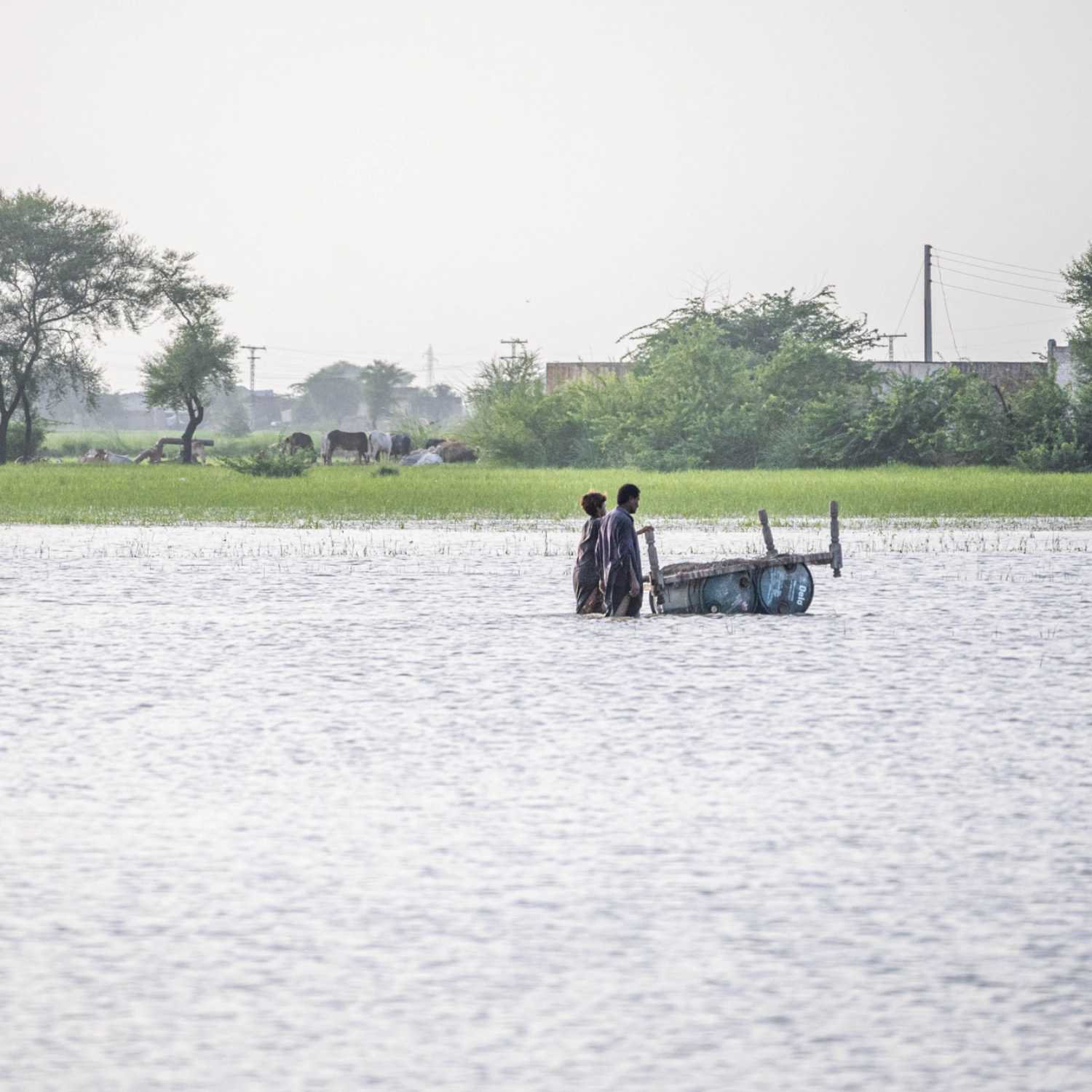
Navigating Climate Governance
Pakistan is fraught with a number of economic, social, political, and environmental challenges. To effectively address these issues, it is imperative to not view them in isolation but to combat them in tandem paying attention to the systemic connections between them. Deferring climate action in favour of poverty reduction or political stabilization presents a very real threat; the magnitude of the
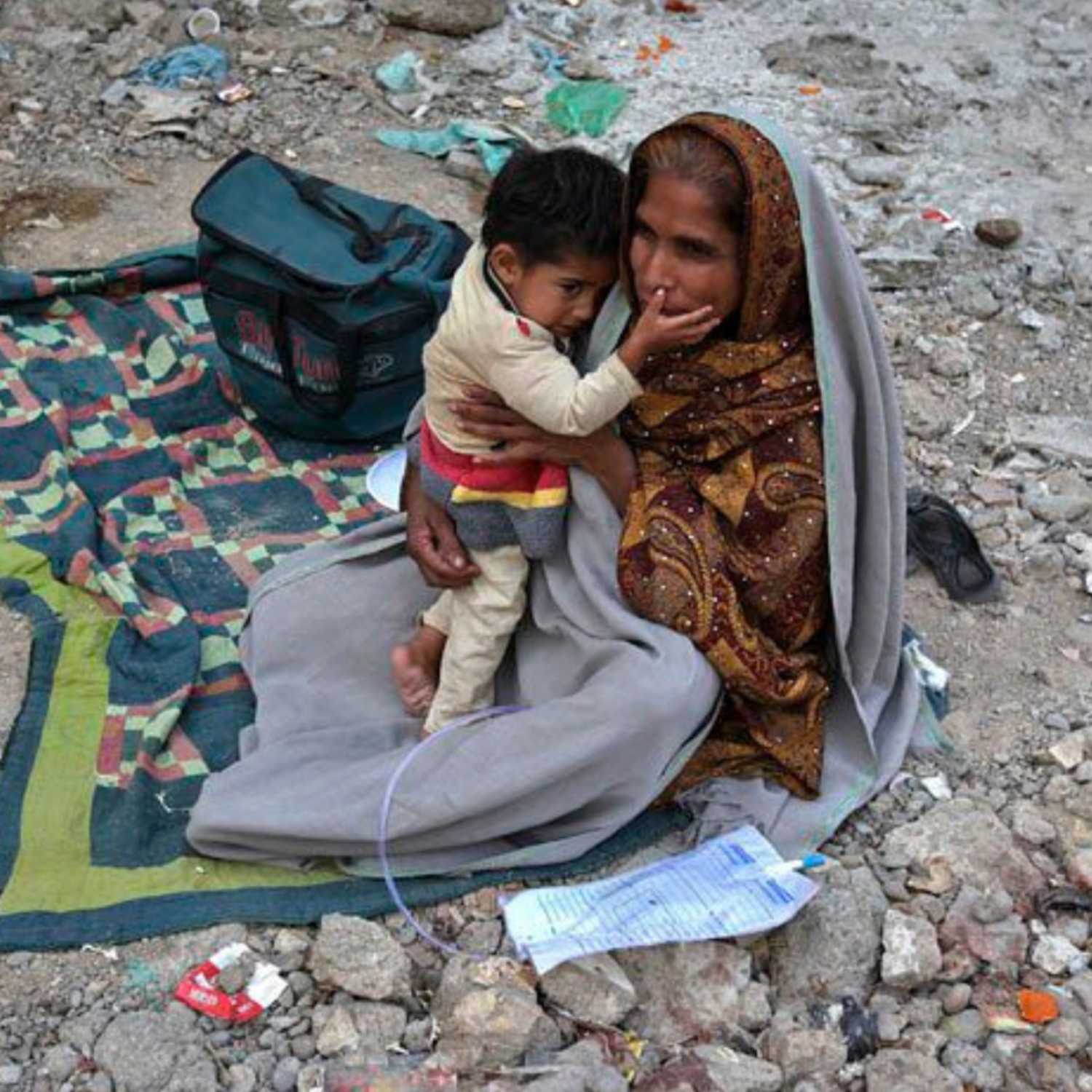
Unpacking Pakistan's Poverty
Widespread poverty has plagued Pakistan for decades. In 2022, 21.9% of the population was reported to be living below the National Poverty Line. The recent economic crisis has worsened this state of affairs and has doubled concerns about the disproportionate impact of rising poverty on the lives of Pakistan's population, particularly those segments that are already poor and disadvantaged. Dr. Ijaz
Is India broken?
Many analysts and observers of India's economy are proclaiming that India's moment has arrived and it is now poised to rival China in terms of economic prosperity. However, Dr. Ashoka Mody, a Professor of Economics at Princeton University with rich experience in the global economy, contradicts this assertion by saying that India is still mired in deep economic malaise. Let's listen to his insights
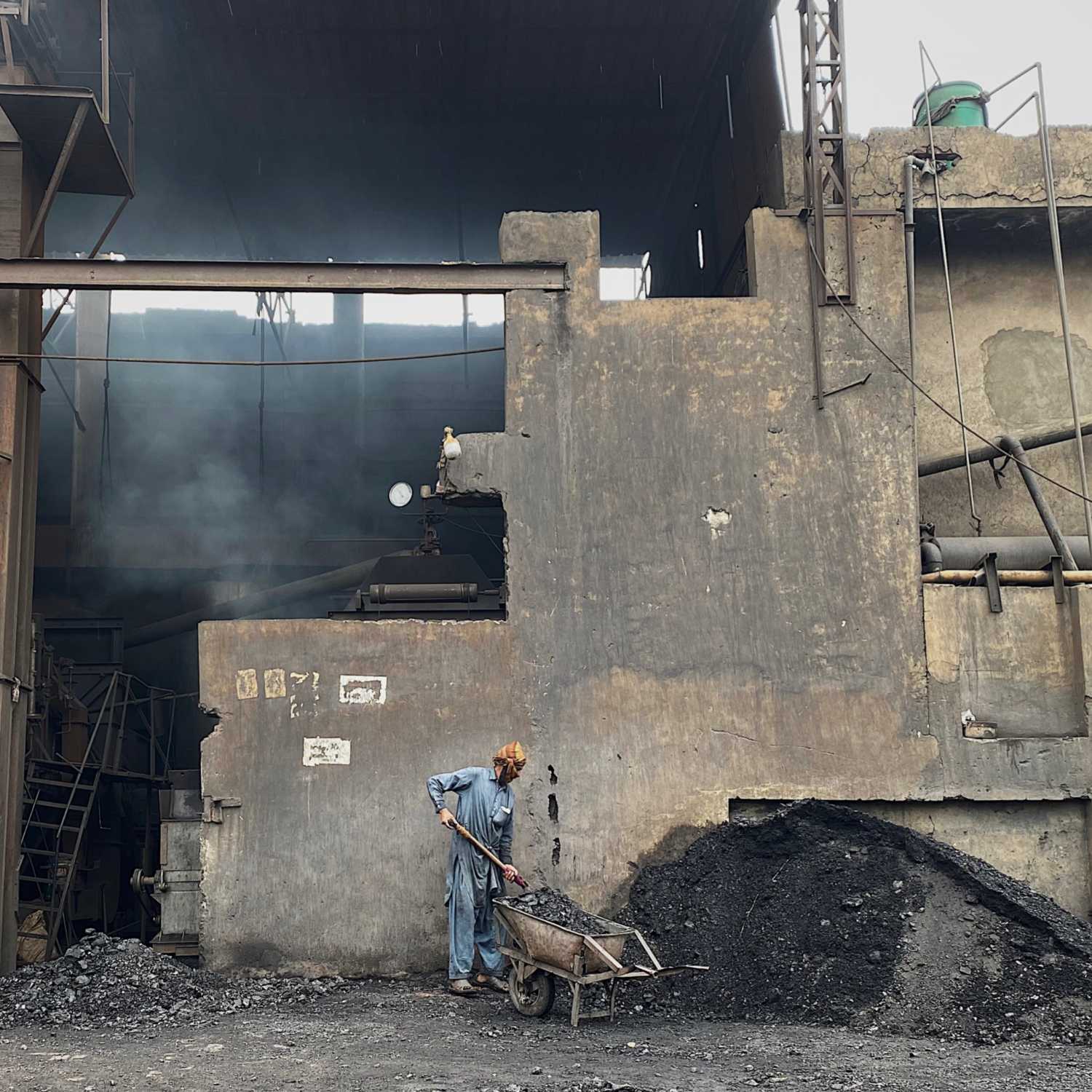
Productivity in Pakistan: Why Did We Fall Behind?
Why did Pakistan fall so far behind in terms of growth from its neighbours? To what extent was this due to low worker productivity? How do we measure worker productivity? How do exports and women working in the labour force help increase productivity? In this episode, Dr. Ijaz Nabi and Dr. Gonzalo Varela answer these questions.
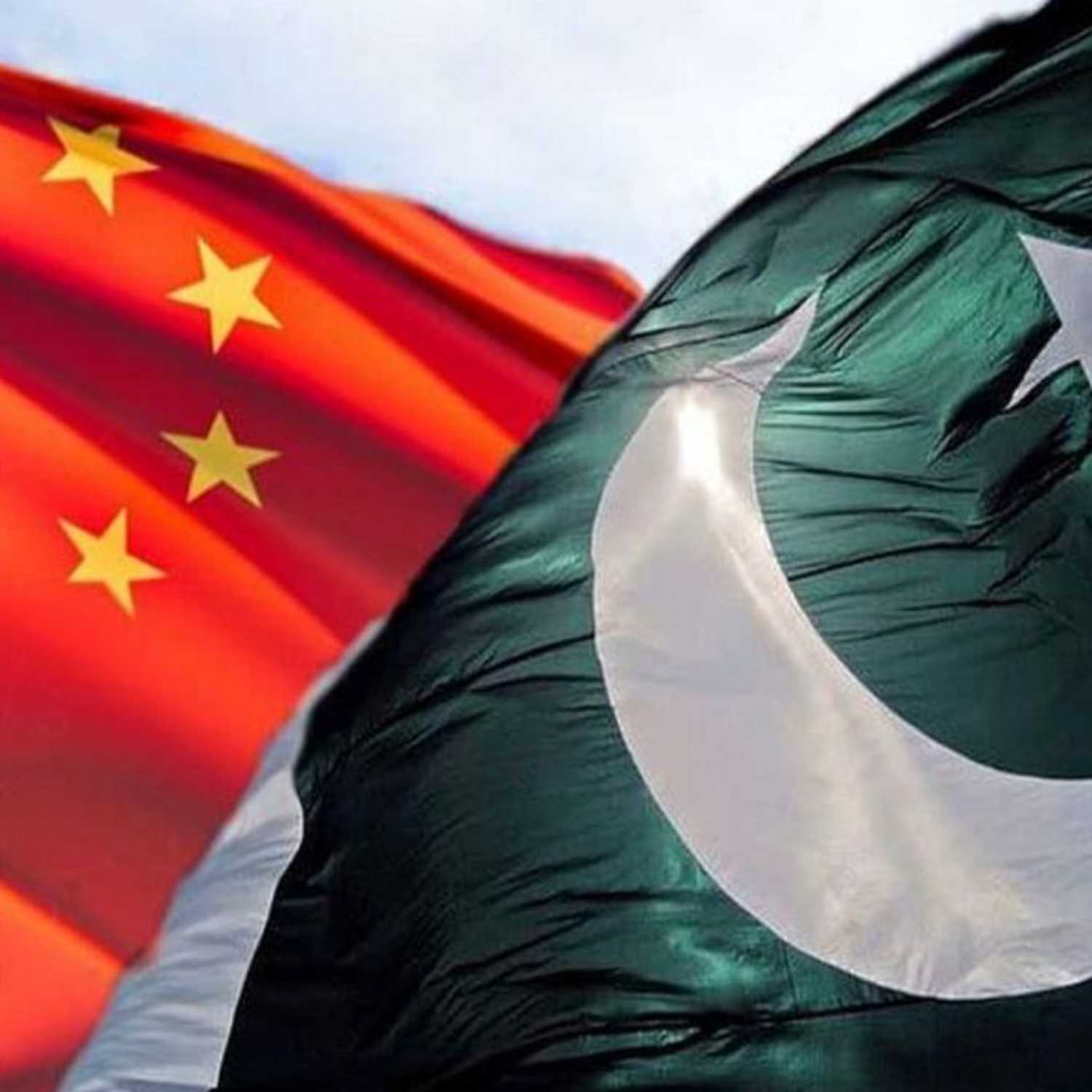
Leveraging Alliances to Resolve Pakistan's Conflicts
The recent global developments including the Russian invasion of Ukraine, China’s growing regional footprint in South Asia, and the intensifying global strategic competition between China and the United States reinforce new and significant geopolitical trends for Pakistan. Uzair Younus and Arifa Noor discuss how in this situation, Pakistan should leverage its relationships with its allies, includi
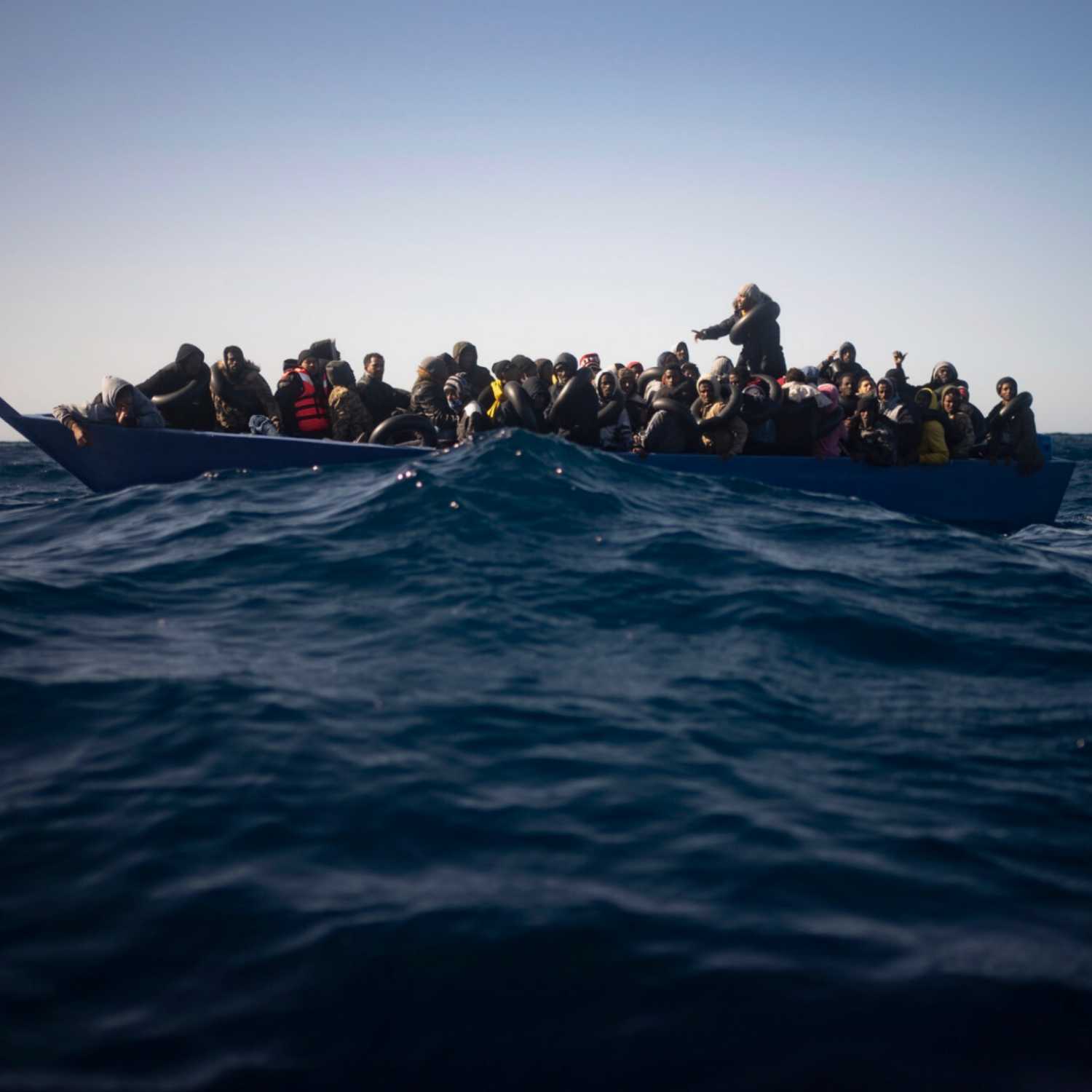
Why Are Pakistanis Leaving the Country?
Recently, we have seen people from across the class spectrum migrate to other countries at a level never seen before. Dr. Ali Khan and Mohsin Hamid discuss some of the leading causes responsible for driving the crisis of international migration in Pakistan, including an intensifying economic crisis and political turmoil, surging terrorism, and constant threats of natural disasters.Dr. Ali Khan is
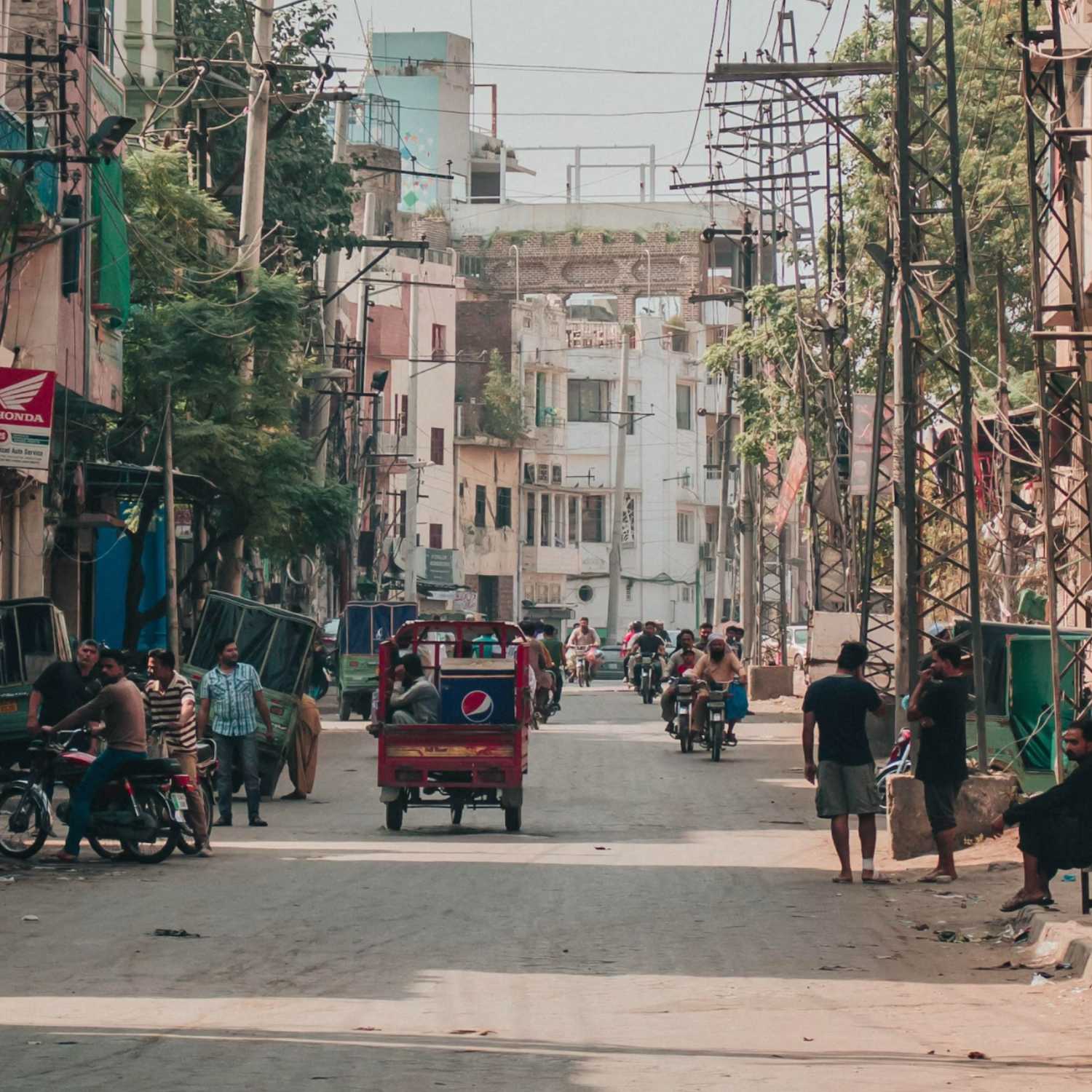
Blueprint for Change: Urban Planning in Pakistan
Pakistan is one of the most urbanized countries of South Asia. However, urbanization has led to such rapid expansion of Pakistan’s cities that they struggle to deliver public services, create productive jobs, and implement effective policies regarding planning. Dr. Omar Masud and Fizzah Sajjad draw attention to these pressing matters and offer a compelling exploration of the urban landscape in Pak
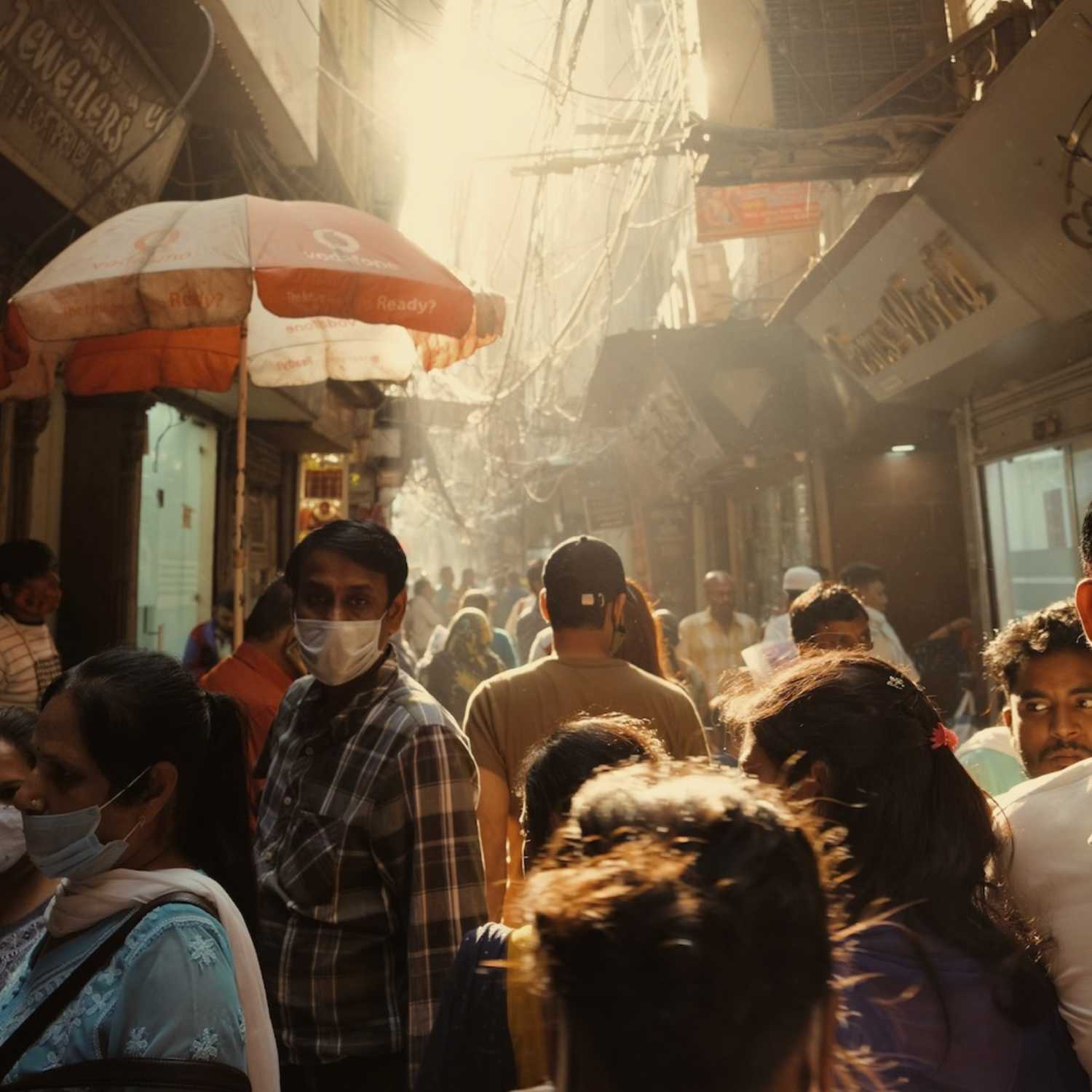
Population Growth in Pakistan: A Crisis or an Opportunity?
According to the latest 2023 population census, the enumerated population has reached 230.4 million—indicating an increase of 17.2 million people from the 2017 census. While the fertility rate has dropped globally; it remains stubbornly high in Pakistan where women and girls lack access to sexual and reproductive healthcare, including contraception. Rapid population growth seems like a daunting pr
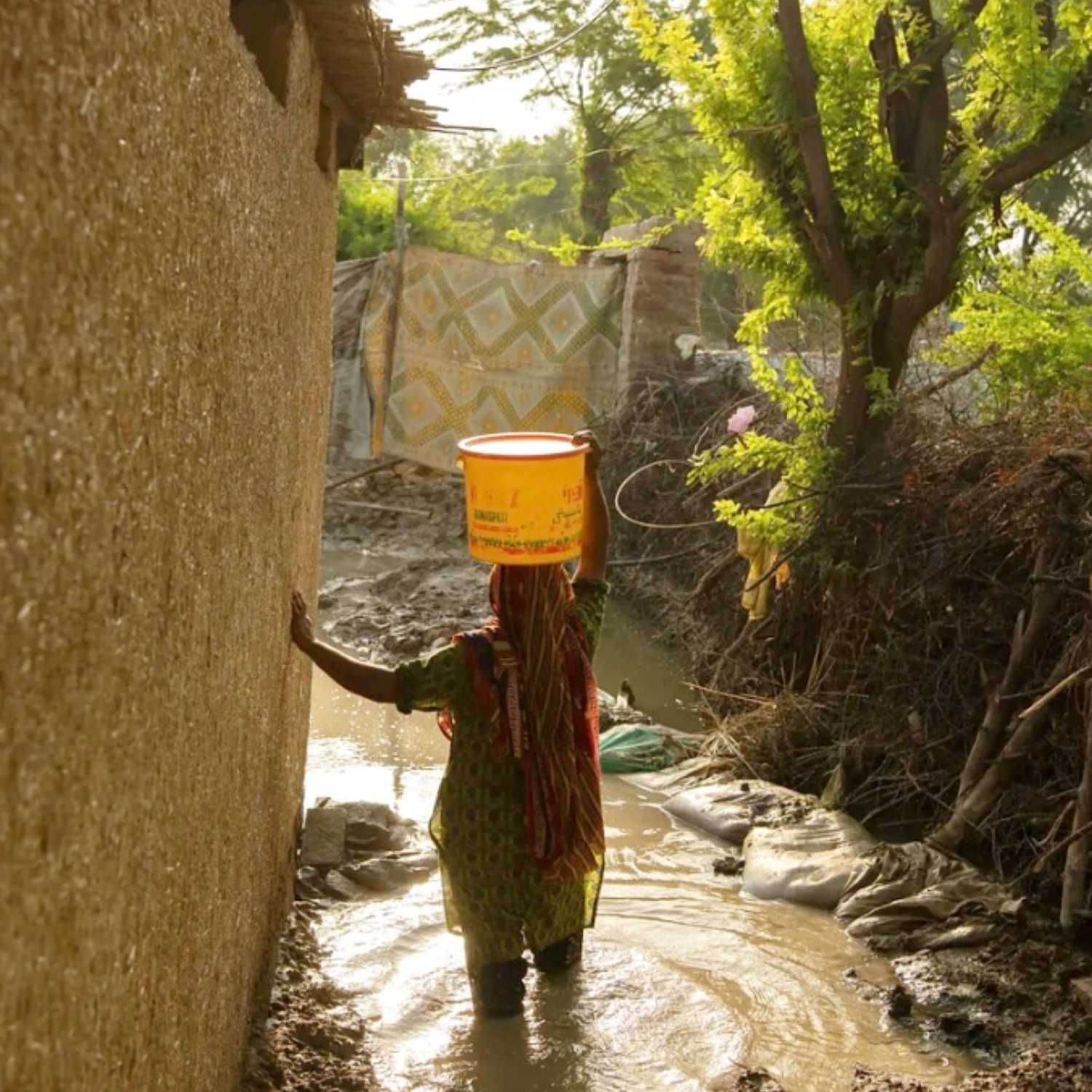
Water Security Challenges in Pakistan
Pakistan’s water supply has become a crucial resource challenge in recent years, made worse by the country’s enduring infrastructure and governance problems. The prospect of a major water crisis in Pakistan offers a stark reminder of the increasing vulnerability of the country to global climate change. The destructive floods that submerged a third of the country last year demonstrate this. In this
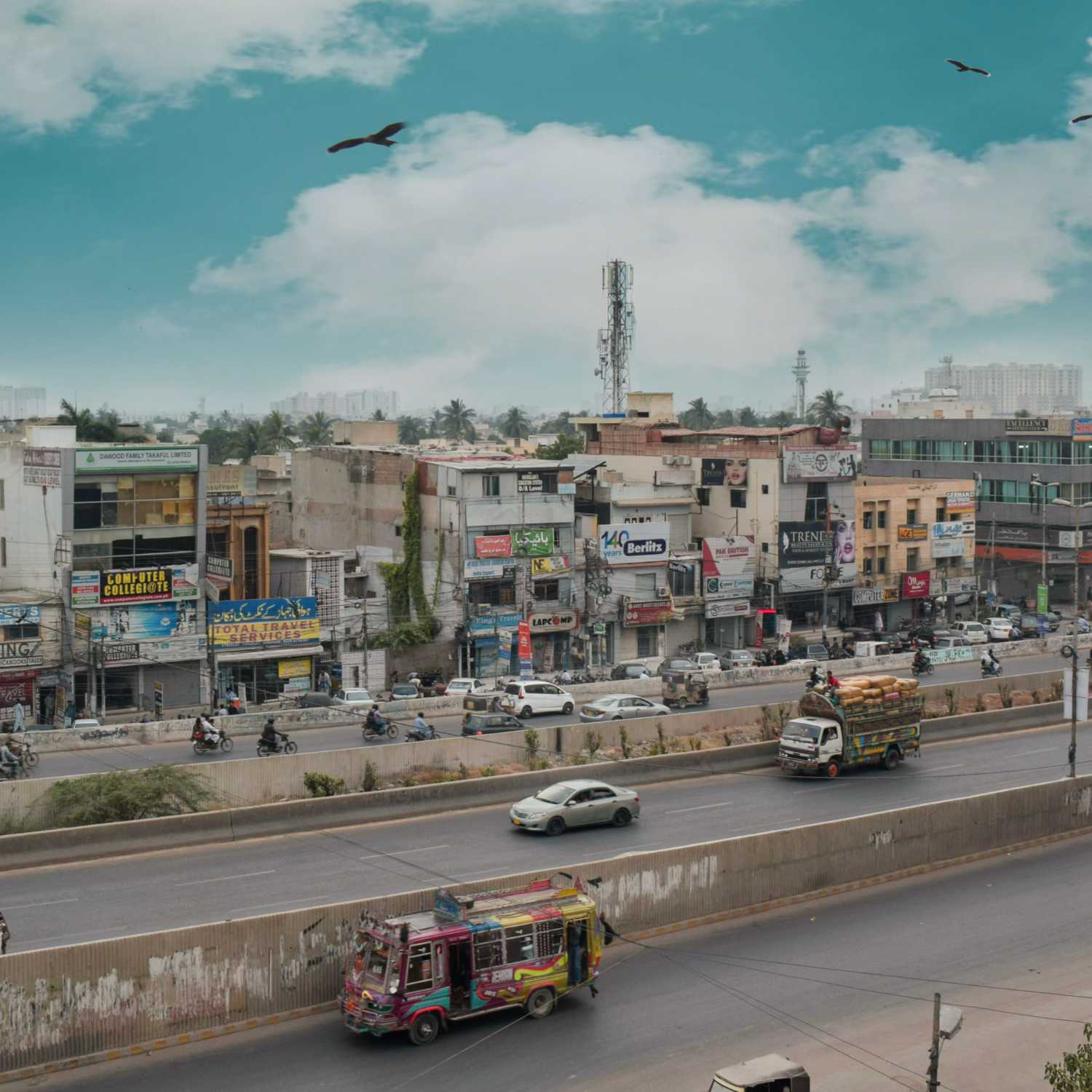
The Crisis of Local Governance in Karachi
As with many megacities in the developing world, Karachi deals with critical issues including governance and service delivery. Dr. Umair Javed and Jibran Nasir discuss the risks that residents face due to local governance challenges in Karachi.
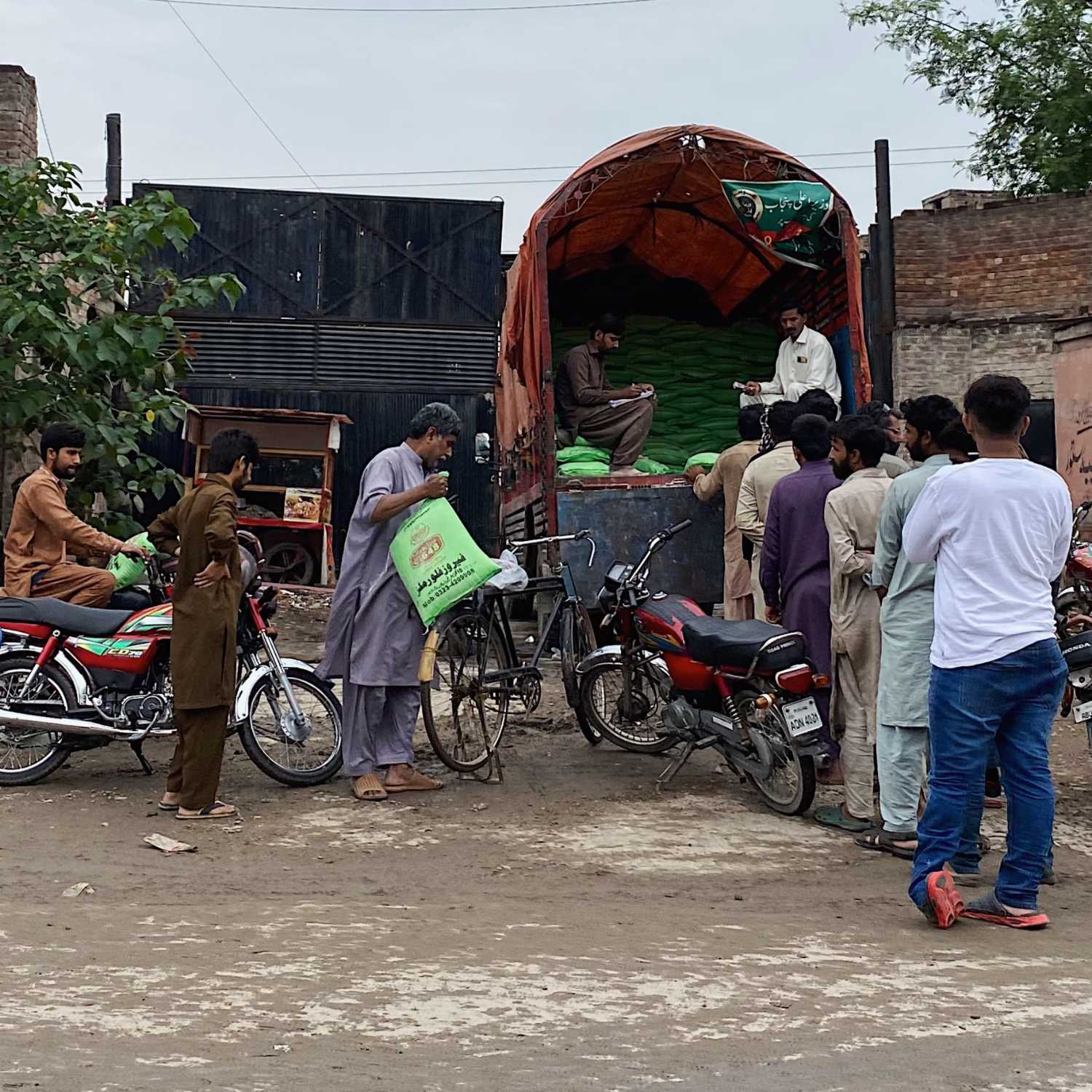
Saving Pakistan from Default
In this episode, Dr. Ijaz Nabi speaks with Dr. Murtaza Syed to discuss what led to a full-blown economic crisis in Pakistan and whether the IMF’s intervention would be able to prevent default.
Recommended

Dora Tarjuma Quran by Dr. Abdus Samie | President Anjuman Khuddam ul Quran Faisalabad
The Global Dialogue - A PGAN Podcast
Ali Souro | Pakistani Songs Collection
SynQ with Saad

Gaming with Aon
Peer-e-Kamil

Ali Souro | English Songs Collection

Program With Zahida Shahzad & Kathrine Riaz

UsmanGee Universe: Ultimate Collection

Divine Discourses: Wisdom from Islamic Scholars

Raja Azhar

EREN YEAGER
